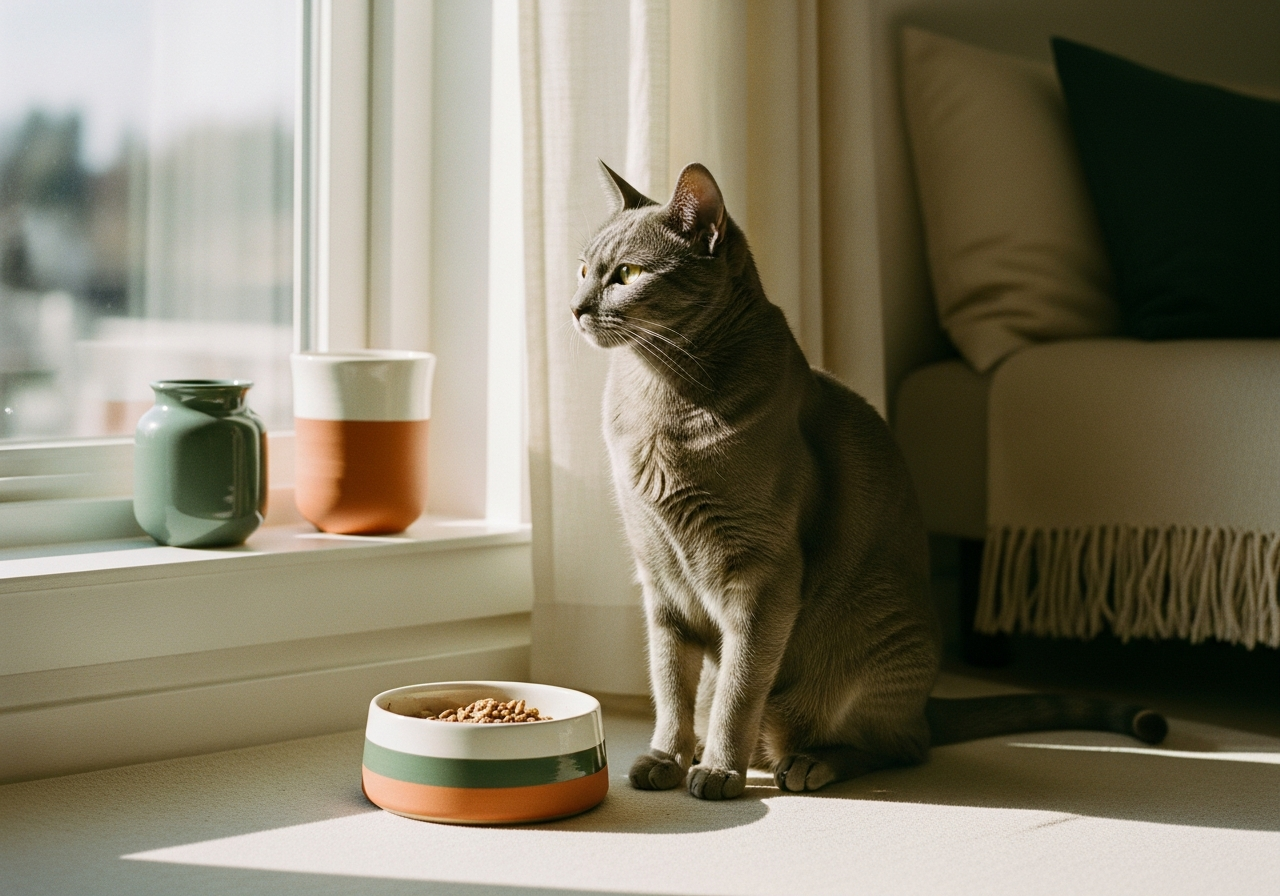
Indoor cats live a genuinely different life than their outdoor counterparts — less movement, fewer opportunities to hunt, and a metabolism that reflects all of it. That means food choices matter in specific, practical ways: calories, moisture content, and how well a food supports a digestive system that doesn't get the variety of a cat that roams. Here's how we'd think about it: the best food for an indoor cat isn't necessarily the most exotic or expensive — it's the one that matches your cat's actual energy output, keeps weight in check, and ideally adds some moisture to a lifestyle that tends to be dry in more ways than one.
What to Look For
Before getting into specific picks, a few things worth keeping in mind when shopping for an indoor cat:
- Calorie density: Indoor cats need fewer calories than active outdoor cats. Look for foods that are satisfying without being calorie-heavy.
- Moisture content: Cats are notoriously poor drinkers. Wet food, raw, or freeze-dried rehydrated options help offset the chronic mild dehydration many indoor cats live with.
- Protein quality: Named meat sources — chicken, turkey, salmon — listed first tell you something real about what's in the food.
- Hairball support: Not mandatory, but indoor cats groom more and ingest more fur. Some formulas address this without relying on cheap filler fiber.
The Picks
Smalls Fresh Cat Food
Smalls is one of the more interesting cat-specific companies operating right now. They make fresh, human-grade food delivered to your door — but what sets them apart from the generic subscription crowd is how seriously they take cats specifically. Most fresh food services are dog-first. Smalls is built around cats. Their ground bird and ground fish recipes are high-moisture, high-protein, and genuinely low in carbohydrates in a way that benefits indoor cats who can't burn off excess glucose the way an active animal might. For cats who've been on dry food for years and are starting to show weight creep, this is a solid place to land.
Koha Minimal Ingredient Wet Food
Koha doesn't get nearly enough attention. This is a small, independent brand making minimal ingredient wet food in pouches and cans — most recipes run just a handful of ingredients. Their poke bowl-style cuts in broth are particularly good for indoor cats because the broth adds moisture without adding much else. The ingredient lists are short enough to actually read: protein, broth, a binder, done. For cats with sensitive stomachs or owners who want to know exactly what they're feeding, Koha earns a close look. It's also one of the more affordable options in the independent space.
Ziwi Peak Air-Dried Cat Food
Air-dried food sits in an interesting middle ground — the texture is closer to a treat or kibble, but the moisture and nutrient profile is much closer to a raw or fresh food. Ziwi Peak's recipes are made in New Zealand with named, single-source proteins: venison, mackerel, lamb, chicken. The calorie density is high, which means you feed less than you'd think, and the ingredient quality is genuinely excellent. For indoor cats who are finicky about texture or whose owners want the convenience of dry food without the compromises of traditional kibble, Ziwi Peak is one of the most honest options on the market.
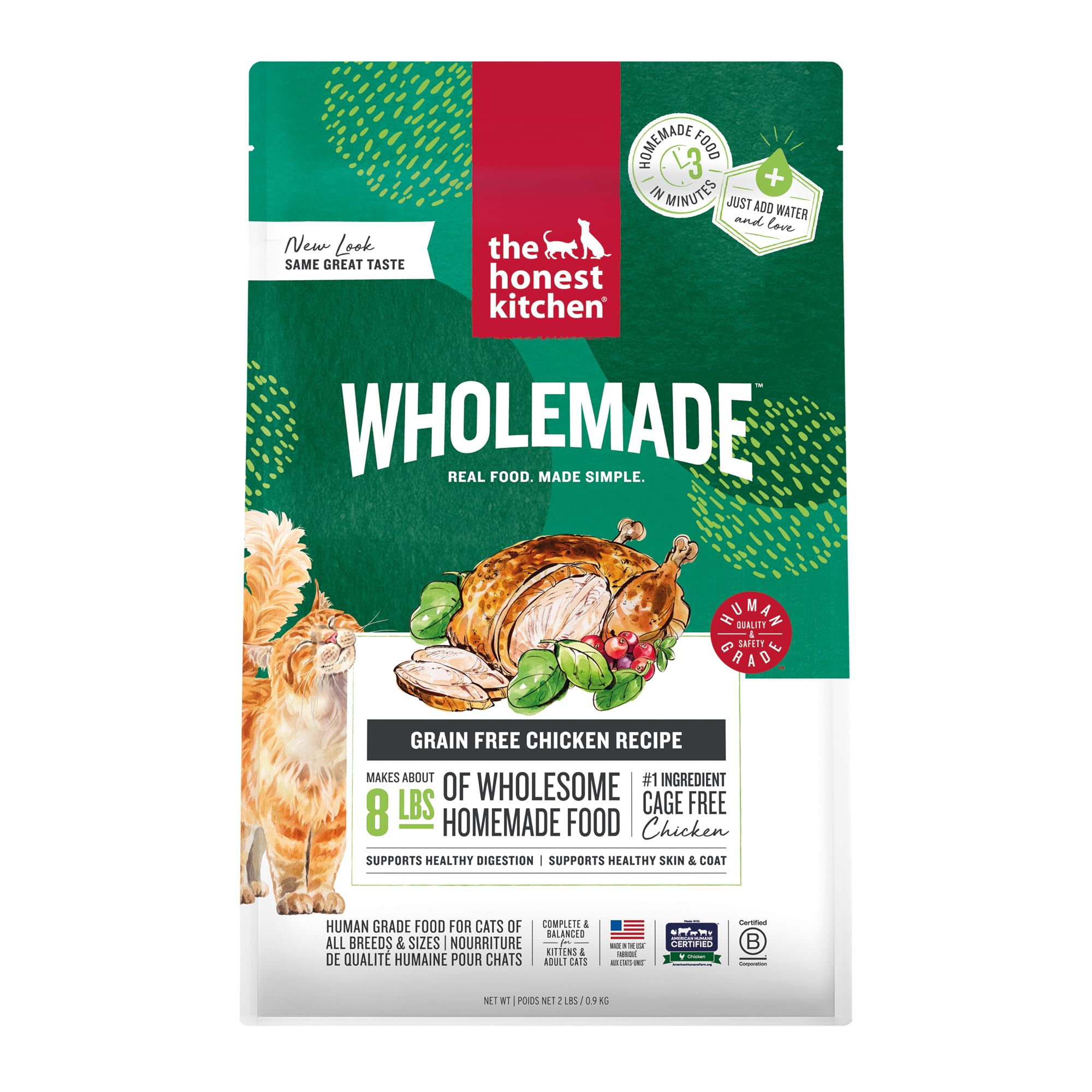
The Honest Kitchen Grain-Free Wet Cat Food
The Honest Kitchen has been around long enough to have built a real track record, and their wet cat food line reflects everything that made them worth paying attention to in the first place: human-grade ingredients, transparent sourcing, made in the USA. Their pâté-style recipes are calorie-appropriate for less active cats and come in simple flavor profiles that work well as a daily staple. A good place to start if you're transitioning a dry-food cat toward something with more moisture — the texture is approachable and most cats take to it without drama.
Farmina N&D Pumpkin Grain-Free Dry Food
Not every cat owner is ready to go fully wet or raw, and that's fine. If dry food is staying in the rotation, Farmina's N&D line is one of the few kibbles worth recommending without reservations. Made in Italy with clearly sourced proteins and lower carbohydrate content than most grocery-store dry foods, it's built more like a European pet food — real food standards applied to a convenient format. The pumpkin recipes add a small amount of fiber that can help with the hairball situation many indoor cats deal with. For multi-cat households where dry food is a practical necessity, this is a genuinely good option.
Vital Essentials Freeze-Dried Cat Food
Vital Essentials makes freeze-dried raw food and toppers from single-source proteins — rabbit, duck, chicken, turkey — with minimal processing and short ingredient lists. For indoor cats who've gotten bored with their food (a real and common problem), rotating in a freeze-dried option or using it as a topper on wet food adds variety without requiring a full feeding overhaul. The company is family-owned and sources from the USA. It's also one of the cleaner ways to introduce raw feeding concepts without committing to a full raw diet.
The biggest mistake people make with indoor cat food isn't the brand — it's the format. A cat eating only dry food is almost certainly not drinking enough water to compensate. Getting some moisture into the bowl, even just a few times a week, makes a real difference over time.
The Bottom Line
Indoor cats need food that accounts for their lower activity levels and their tendency toward dehydration — and most mainstream cat foods aren't designed with that in mind. Every pet is different, but leaning toward wet, fresh, or rehydratable formats, from brands like Smalls, Koha, or The Honest Kitchen, is a genuinely good starting point for most indoor cats. Ask your vet if your cat is gaining weight or showing signs of urinary issues — both are common in indoor cats and both are often diet-related.