Self-cleaning litter boxes promise to solve one of the least glamorous parts of cat ownership — and some of them actually deliver. But the category is also full of overpriced gadgets that break down, jam with clumps, or spook a sensitive cat into using the bathroom floor instead. Here's how we'd think about it: the best model isn't necessarily the most automated one. It's the one your cat will actually use, that fits your home, and that you can maintain without a degree in engineering.
What to Look For Before You Buy
Rake vs. rotating drum vs. self-sifting is the first real decision. Rake-style boxes drag a tined arm through clumps and deposit them into a receptacle — simple, repairable, and usually quieter. Rotating drums tumble the litter so waste falls through a screen into a tray below. Sifting systems are the most low-tech: a timer or sensor triggers a slow rotation or lift that separates clumps from clean litter. Each has failure points, and knowing which one you can tolerate matters.
Waste bin capacity is often undersold in marketing and deeply relevant in real life. If you have two cats or a large breed like a Maine Coon, you'll be emptying a small-capacity box constantly, which defeats the purpose. Look for at least 8–10 days of capacity for a single-cat household.
Noise level is worth researching specifically if your cat is timid. A loud motor cycle during the night or while a cat is nearby can permanently associate the box with fear. Look for models with adjustable wait times so the cycle starts well after your cat has walked away.
The question isn't whether a self-cleaning litter box is convenient — it's whether the specific one you choose will still be working properly six months from now.
Finally, app connectivity is optional for most people and a potential liability for everyone. If the company shuts down its server or stops supporting the app, some models lose core functionality. A box that works without WiFi is always going to be more reliable long-term.
Our Picks
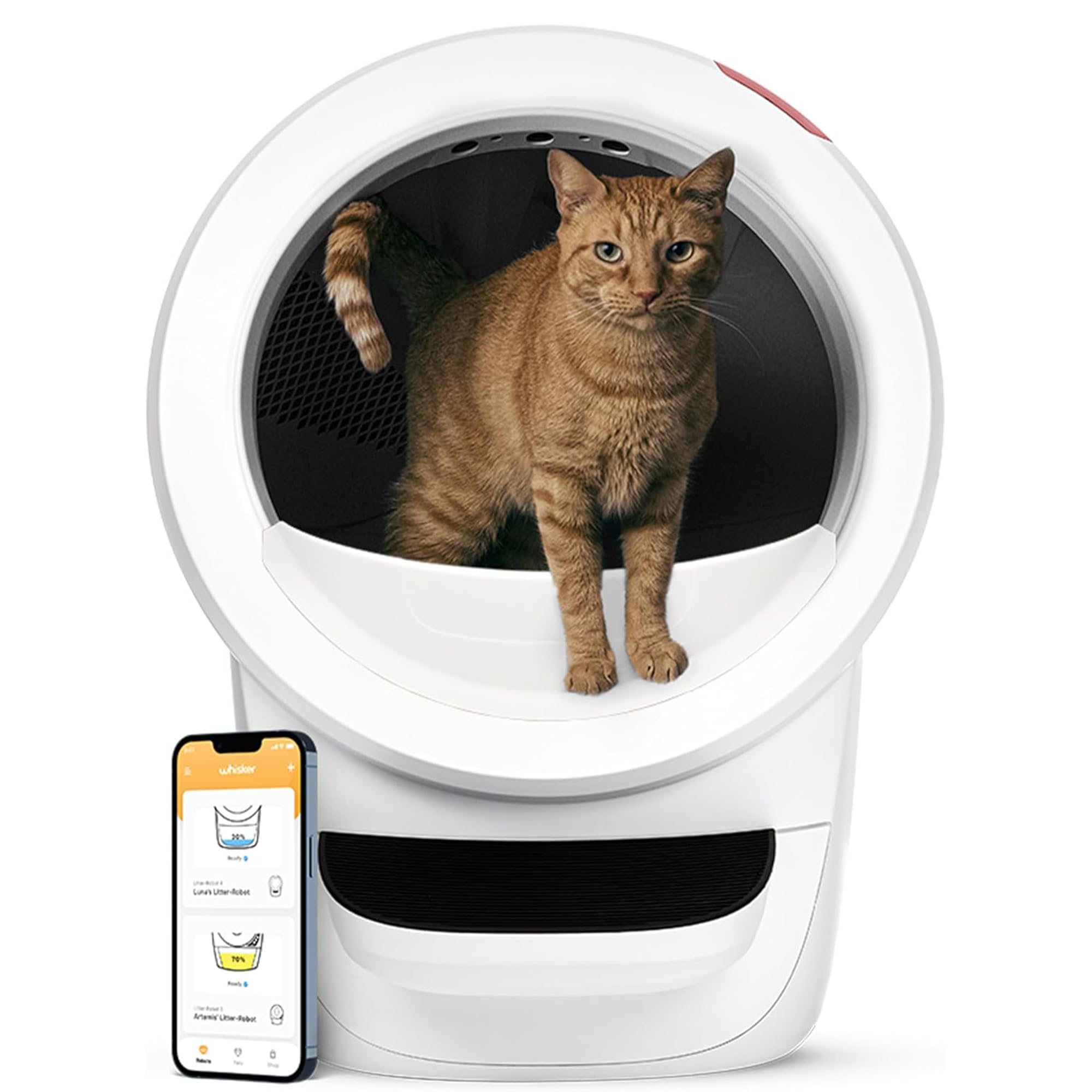
Litter-Robot 4 — Best Overall
The Litter-Robot 4 is the one that earned its reputation honestly. It's expensive — around $700 — but it's built from actual durable components, the company has been around long enough to have real customer service, and the rotating globe design handles clumps from virtually any clumping litter without jamming. The OmniSense detection adjusts the clean cycle based on your cat's size and usage patterns, and the waste drawer holds about 10 days of material for one cat. A good place to start if you want to buy once and not revisit this decision for years.
Litter-Robot 3 Connect — Best Value from the Same Line
If the Litter-Robot 4 price is a stretch, the 3 Connect is still being sold refurbished directly from Whisker (the manufacturer) and performs nearly as well. The globe is slightly smaller, the sensors are less sophisticated, but the mechanical reliability is essentially the same. For a single-cat household, most owners report no meaningful difference in daily function. Pair it with a high-quality clumping litter — Ökocat or World's Best Cat Litter both work well in globe designs — and this setup will serve you for years.
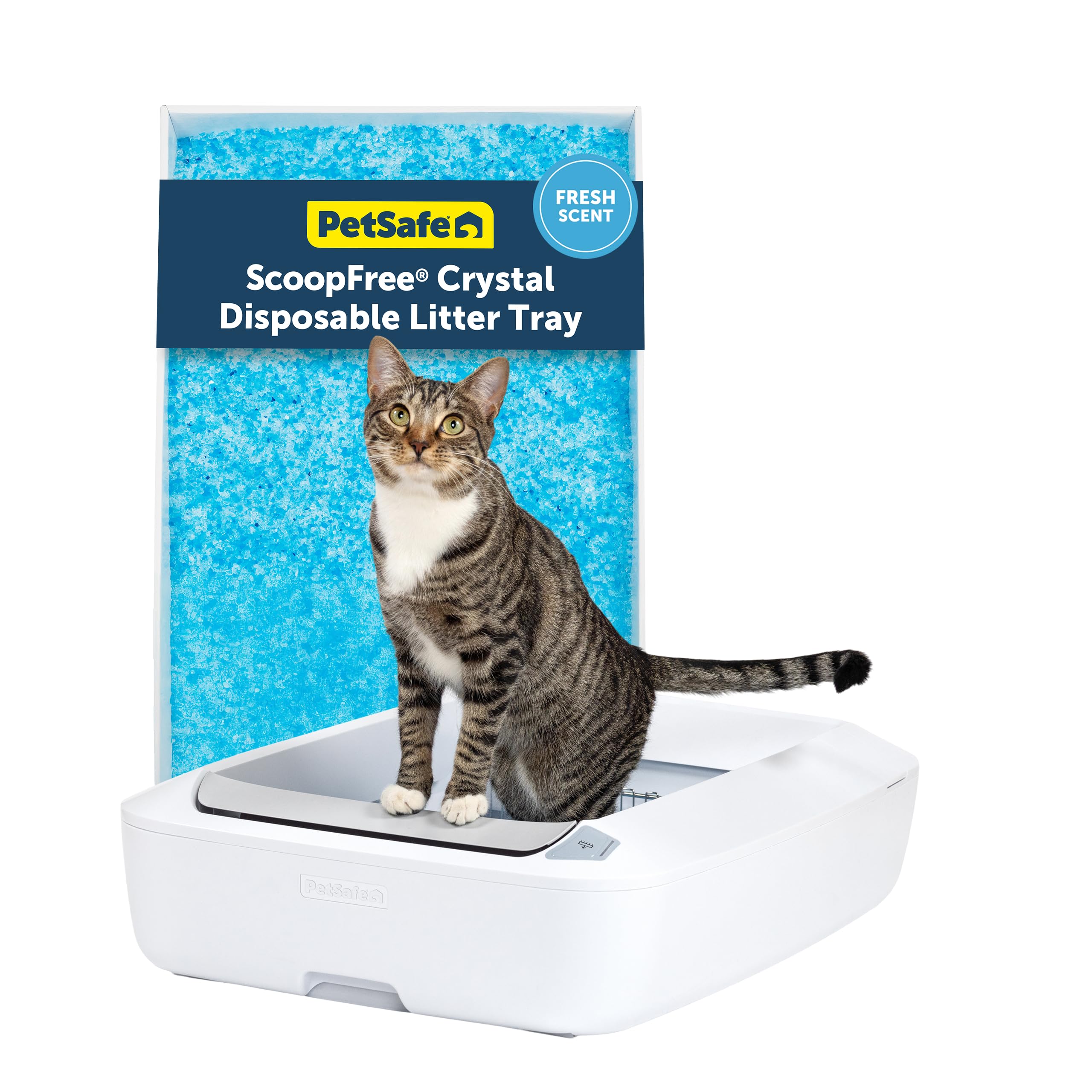
PetSafe ScoopFree Self-Cleaning Litter Box — Best for Simplicity
The ScoopFree uses disposable crystal litter trays rather than a traditional hopper and rake system, which makes it genuinely low-maintenance for the weeks the tray lasts. There's no bin to empty — you replace the whole tray. That's either a relief or an ongoing cost depending on your perspective. For someone who travels frequently and needs a system that can reliably run for 7–10 days with minimal intervention, it's worth considering. Just factor in the tray subscription cost before committing.
Catlink Scooper Luxury Pro — Best Tech-Forward Option
Catlink doesn't have the brand recognition of Litter-Robot, but the Luxury Pro model has developed a genuine following among multi-cat households for its cat-weight detection and per-cat usage tracking via the app. The globe design is similar in concept to Litter-Robot, but the price is closer to $350–$400. It's not as battle-tested over years of use, but the build quality is noticeably better than most competitors at that price point. Worth it if you want data on your cats' habits — which can be genuinely useful for catching early health changes.
Omega Paw Roll'N Clean — Best Manual-Assist Option
This one isn't fully automated — you roll it yourself to sift clumps into a pull-out tray — but it earns its spot here because it costs around $40, never breaks down, requires no electricity, and works. If the goal is simply to scoop less often and spend less time at the box, the Roll'N Clean does that without any of the mechanical complexity. A good place to start for someone who's skeptical of the category but curious.
Leo's Loo Too — Best Mid-Range Alternative
The Leo's Loo Too (from PETD) sits around $400–$450 and competes directly with the Litter-Robot 3 on price while adding UV sterilization and a larger waste bin. It's a newer product with less long-term track record, but the reviews from the past two years are consistently strong, and the design handles larger cats better than many competitors at this price. Every pet is different, but households with big cats — think 14 pounds and up — often find the wider entry and globe dimensions meaningfully more comfortable than smaller units.
The Bottom Line
Self-cleaning litter boxes are genuinely useful tools, but the cheaper end of the market is littered (so to speak) with products that fail within a year. If you're going to invest in one, the Litter-Robot line remains the most proven option, with the Catlink Luxury Pro and Leo's Loo Too worth serious consideration at a lower price point. Ask your vet if your cat has any litter box aversions before switching — a new automated box introduced at the wrong moment can make an existing problem worse.