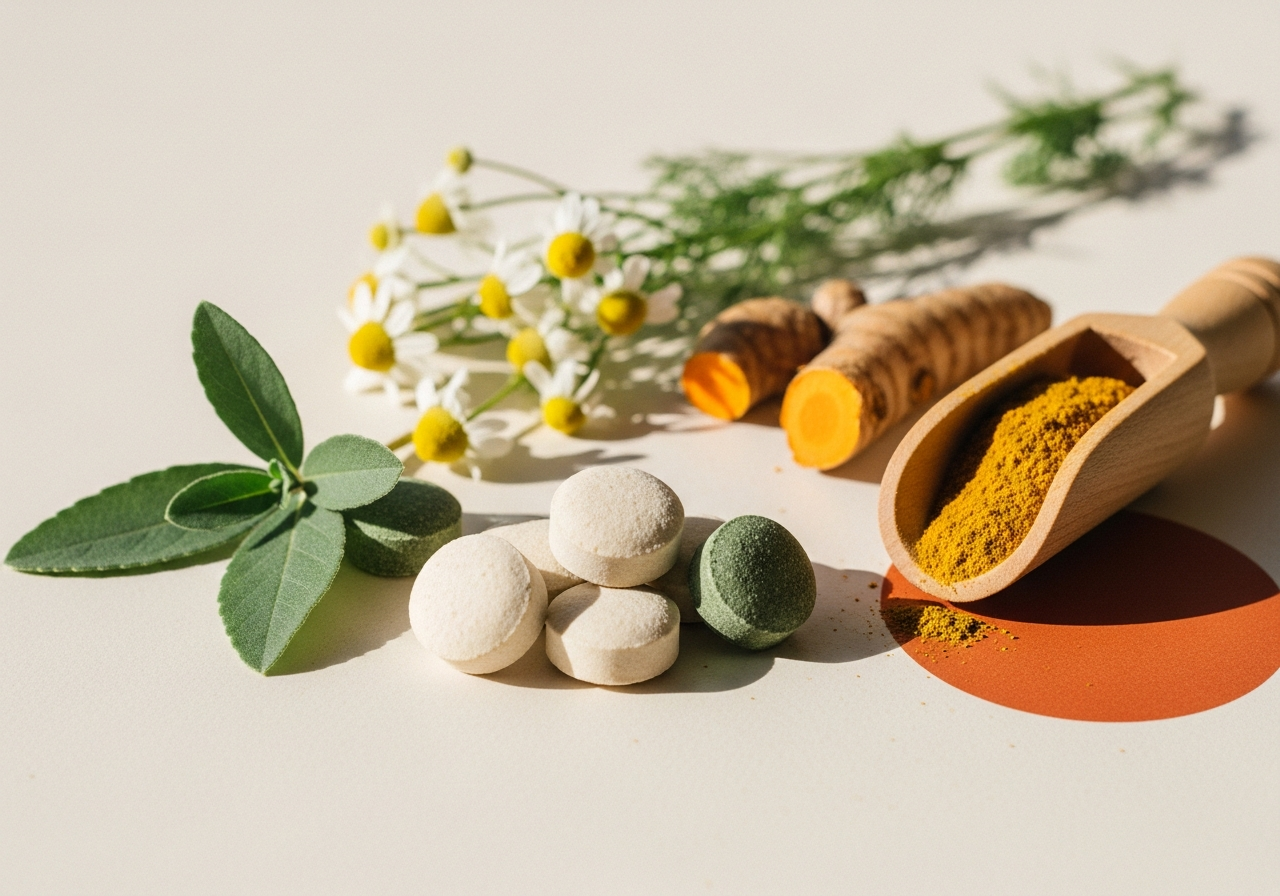
Treats used to be a reward. Increasingly, they're being sold as medicine-adjacent — soft chews promising calmer dogs, healthier guts, springier joints, shinier coats, and stronger immune systems. Some of that is real and genuinely useful. Some of it is a gummy vitamin with a great label and a price to match. This guide is about telling the difference before you spend.
What "Functional" Actually Means
A functional treat is one formulated to do a job beyond tasting good, usually by including an active ingredient at some dose. The key word is dose. A treat can technically contain glucosamine or a probiotic and still include far too little to do anything — a practice sometimes called "fairy dusting," where an ingredient appears on the label in an amount too small to matter. Before you buy into any health claim, find the active ingredient amount per chew, not just its presence in the ingredient list. If a brand won't tell you how many milligrams or CFUs are in each piece, that reluctance is itself an answer.
The question is never "does it contain the good stuff?" It's "does it contain enough of the good stuff, and can the company prove it?"
One useful shortcut: look for the NASC seal (National Animal Supplement Council). It doesn't guarantee a product works, but it means the company submits to quality audits and follows labeling standards — a reasonable baseline filter in an under-regulated category.
The Categories, Ranked Roughly by Evidence
- Joint support — typically glucosamine, chondroitin, and green-lipped mussel, sometimes with omega-3s. This is the most established corner, with the strongest support for older or larger dogs, though results build slowly over weeks. Zesty Paws has built a broad line of these soft chews spanning mobility, gut, and immunity, and publishes its per-chew amounts.
- Skin & coat — omega-3 fatty acids (EPA and DHA), usually from fish oil. Genuinely effective for many dogs with dull coats or mild itch, and one of the better-supported supplement categories. Freshness matters; rancid fish oil does more harm than good.
- Gut health — probiotics and prebiotics. These can genuinely help some pets with mild, occasional digestive inconsistency, but the specific strains matter, the live count has to survive shelf life, and some need refrigeration. Don't expect a probiotic chew to fix a chronic problem.
- Calming — the busiest and murkiest corner. Ingredients range from L-theanine and tryptophan to hemp and broad-spectrum CBD. Kradle specializes in broad-spectrum CBD and botanical chews aimed at situational stress — storms, travel, fireworks. Some owners report real results; the research is still maturing, "calming" is hard to measure objectively, and a treat is never a substitute for addressing why a pet is anxious in the first place.
- Immunity — the vaguest claims of the bunch. Real for pets with a documented deficiency; mostly marketing for an already-healthy animal eating a complete diet.
How to Read a Functional Treat Label
Work top to bottom. First, the base — is it a clean treat or a sugar-and-filler delivery vehicle? Then the active panel, usually listed separately as a "supplement facts" box with amounts per chew. Compare those amounts to what research or your vet suggests is a meaningful dose. Finally, the calorie count: functional or not, these are still food, and a dog working through several "supplement" chews a day can quietly blow past their calorie budget.
The Upcycled Treat Movement
Separate from the health-claim treats, there's a genuinely encouraging sustainability trend worth supporting on its own merits. Portland Pet Food Company turns spent barley grains from breweries into "brew biscuits." Shameless Pets makes treats from upcycled human-food surplus — apple pulp, misshapen produce, even lobster shells — diverting it from landfill. Spot & Tango offers dehydrated, single-ingredient treats delivered direct. None of these pretend to be supplements. They're just better-made treats with a smaller footprint, which is a refreshingly honest pitch in a category full of inflated promises.
How to Actually Run a Trial
If you're using a supplement chew to address a real issue, treat it like a small experiment. Talk to your vet first, then change one thing at a time so you can actually attribute any improvement. Give it a fair window — most joint and skin supplements need four to eight weeks before you can judge them. Keep a simple note of what you're seeing (stiffness, itch, stool, anxiety triggers) so you're measuring against something other than memory. And keep all treats, functional included, under about 10% of daily calories.
Ask your vet before starting anything for a diagnosed condition, before combining multiple supplements, or if your pet is on medication — some supplements interact with prescriptions. Used thoughtfully, as one part of a bigger plan, the good products can earn their place. Used as a magic fix, even the best of them will disappoint.